
Top 10 College Football Programs with the Most Player Arrests: What the Numbers Show
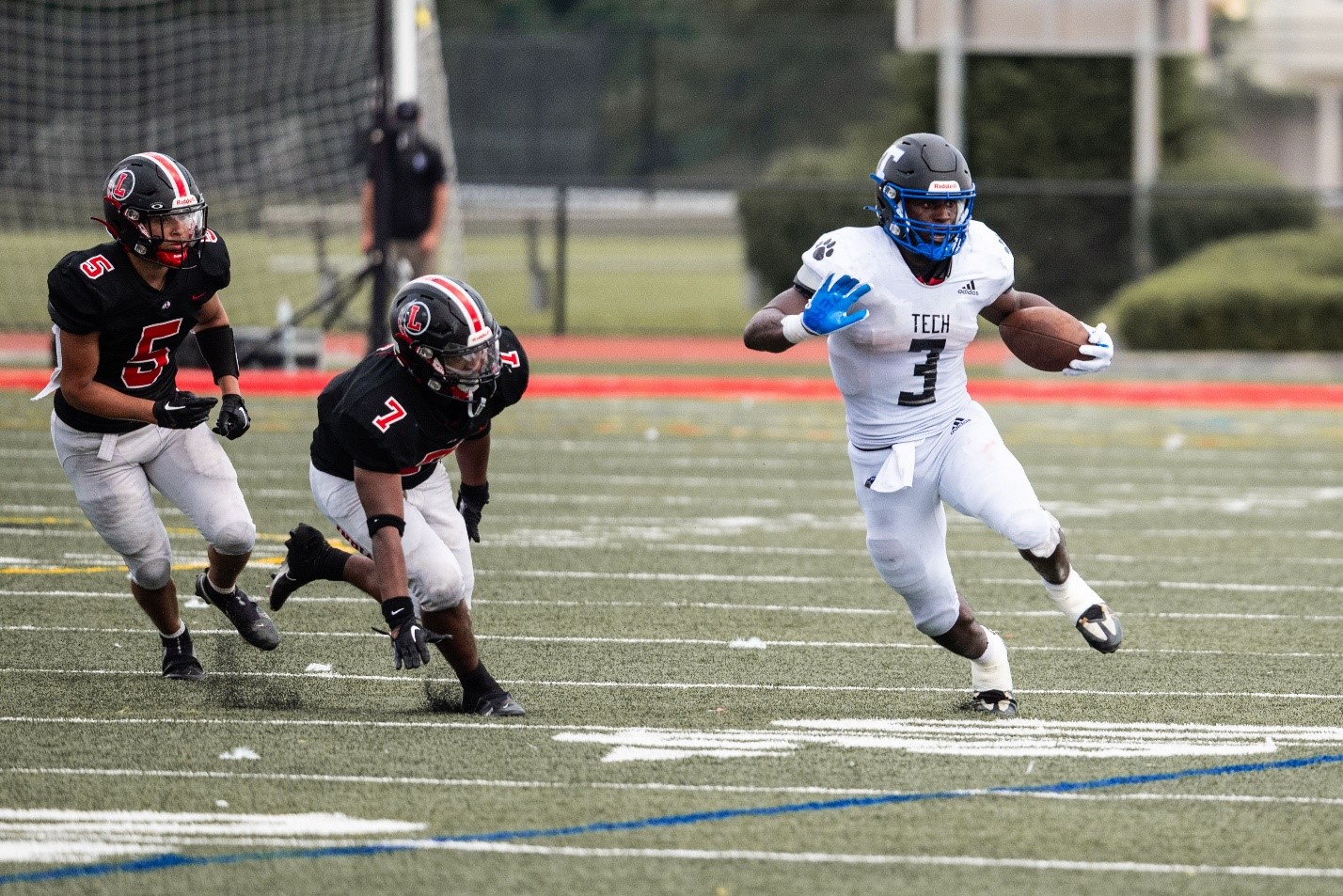
College football is built around big moments: packed stadiums, national championships, future NFL stars, and programs with generations of tradition behind them. But the spotlight does not always stay on the field. When player arrests become part of the conversation, the numbers can raise difficult questions about visibility, accountability, and the challenges that come with running a major college football program.
Looking at arrest data can reveal some interesting patterns. Several nationally prominent programs appear prominently in historical arrest datasets, while the SEC is particularly well represented. But there is an important distinction to make before drawing conclusions: an arrest is not the same thing as a conviction.
So, what do the numbers actually show?
- Most reported arrests in the cited 5-year dataset:Washington State (31)
- SEC representation:6 of the top 10/tied programs
- SEC programs in top 25:11
- Tied at No. 10:Florida State and Tennessee (19 each)
- Key caveat:An arrest is not a conviction
- Official NCAA ranking?No
Top 10 College Football Programs by Reported Arrests
Historical datasets compiled from reported player arrest records have produced rankings that vary depending on the time period and methodology used. One widely cited five-year dataset placed the following programs among the highest totals:
| Rank | Program | Conference* | Reported Arrests |
|---|---|---|---|
| 1 | Washington State | Pac-12 | 31 |
| 2 | Florida | SEC | 24 |
| 3 | Georgia | SEC | 22 |
| 4 | Texas A&M | SEC | 22 |
| 5 | Oklahoma | Big 12 | 21 |
| 6 | Iowa State | Big 12 | 20 |
| 7 | Missouri | SEC | 20 |
| 8 | Ole Miss | SEC | 20 |
| 9 | West Virginia | Big 12 | 20 |
| 10 | Florida State | ACC | 19 |
| 10 | Tennessee | SEC | 19 |
Tennessee also recorded 19 in the same dataset, meaning the tenth position was tied. The figures came from a five-year collection of reported arrests and were not an official NCAA ranking.
That distinction matters because arrest databases can change depending on what is counted and which reporting period is examined.
The SEC Stands Out
One of the clearest patterns in historical college football arrest data is the strong representation of SEC programs.
In the five-year ranking above, six of the top 10 programs were SEC schools: Florida, Georgia, Texas A&M, Missouri, Ole Miss, and Tennessee. Historical reporting from the same dataset also found that 11 SEC programs appeared in the top 25.
That is an eye-catching number, but it should not automatically be interpreted as evidence that SEC players are more likely to be arrested.
The SEC contains many of the most visible football programs in the country. Those schools attract huge audiences, extensive media coverage, and constant attention from fans and reporters. That environment can make off-field incidents more noticeable and more likely to become part of the public record.
What About the ACC and Big Ten?
The conference breakdown becomes even more interesting when comparing other major leagues.
Depending on the dataset and period used, ACC programs such as Florida State, Miami, Pittsburgh, and others have appeared prominently in historical arrest reporting. Big Ten schools have also appeared in broader rankings, although their representation varies considerably from one dataset to another.
This is why conference comparisons should be treated carefully. A ranking based on one five-year period can look very different from a ranking covering another period.
The bigger takeaway is that major athletic conferences are heavily represented in arrest datasets, particularly when the data focuses on nationally visible football programs.
Why Might the Numbers Look This Way?
Raw arrest totals do not tell the entire story. Several factors can influence them.
Larger Rosters
Football programs have large rosters. A school with more players has a larger group being measured, which can naturally produce more incidents over a long period.
That means total arrests are not the same as an arrest rate. Comparing arrests per player could produce a different picture.
Program Visibility
A nationally famous football program receives considerably more attention than a smaller program. An incident involving a major team may receive coverage from local reporters, national sports media, and social media.
That does not mean the incident was caused by the program's popularity. It simply means visibility can influence how easily incidents are noticed and documented.
Different Reporting Periods
The period being studied matters enormously. A five-year ranking captures a different group of players and circumstances than a ten-year study.
Historical data has shown substantial differences between datasets depending on the years examined.
How the Data Was Collected
Arrest databases may rely on publicly reported information and may use categories such as arrests, citations, or charges. One historical source specifically described its figures as “arrests/citations/charges,” demonstrating why readers should check the methodology before comparing numbers.
In other words, the number next to a school should be understood as a record within a particular dataset, not as a perfect count of every incident involving every player.
An Arrest Is Not a Conviction
This may be the most important point in the entire discussion.
An arrest does not establish that a person committed a crime, and it does not mean that the person was ultimately convicted. Some cases can be dismissed, dropped, reduced, or otherwise resolved without a conviction.
That is why terms such as “criminal players” are inappropriate when discussing arrest statistics.
The more accurate language is reported arrests, arrest records, or players associated with reported arrests.
Historical coverage has also warned readers that arrest totals do not show which cases were ultimately dropped or prosecuted.
| Myth | Reality |
|---|---|
| This is an official NCAA ranking. | It is a reported arrest dataset, not an NCAA ranking. |
| SEC players are more likely to be arrested. | SEC programs are highly visible, heavily covered, and often have large rosters. |
| An arrest means the player was guilty. | Arrest does not equal conviction. Cases can be dropped, dismissed, or reduced. |
| Total arrests show the full picture. | Total arrests do not account for roster size or arrest rate. |
| The numbers are current. | They cover a specific historical period and can change by dataset. |
What Do the Numbers Really Tell Us?
The rankings are interesting because they show how frequently certain programs appeared in a particular set of arrest records. They also highlight the strong presence of nationally prominent athletic programs, especially from the SEC.
But the numbers cannot, by themselves, explain why those programs appear so frequently.
Roster size, media attention, local reporting practices, the years included, and the way arrests were collected can all influence the results.
That leaves college football with a more complicated question: Does athletic success come with greater scrutiny and off-field challenges?
Highly successful programs live under an enormous spotlight. Their players receive more attention, their games attract larger audiences, and their off-field actions can quickly become national stories.
The arrest numbers are therefore worth examining, but they are best viewed as a starting point for discussion, not a final judgment about a team, conference, or its players.
Frequently Asked Questions About College Football Arrest Data
The rankings above raise several fair questions. These answers explain what the dataset covers, why SEC programs appear so often, and why an arrest should not be treated as a conviction.
What college football program had the most reported player arrests?
Washington State, with 31 in the cited five-year dataset.
Is this an official NCAA ranking?
No. It comes from a reported arrest dataset.
Why are so many SEC programs on the list?
Visibility, media coverage, roster size, and reporting practices likely play a role, not necessarily higher rates of wrongdoing.
Does an arrest mean a player was convicted?
No. An arrest is not a conviction.
What years does the data cover?
The article should specify the exact years if known. If not, say the dataset covers a five-year period.
How many SEC programs appeared in the top 25?
Eleven, according to the same historical dataset.
Are these numbers current?
No. They are historical and may not reflect current incidents.
What is the difference between an arrest, citation, and charge?
- Arrest: Involves a person being taken into custody.
- Citation: Often involves a non-custodial notice requiring a person to appear.
- Charge: A formal accusation that an offense was committed.
None of these are the same as a conviction.
Can schools be compared fairly using total arrests?
Not perfectly. Arrest rate per player would provide a more proportional comparison.
What would change the rankings?
- The time period included in the dataset
- Roster size
- Media coverage
- Local reporting practices
- How arrests, citations, and charges are counted
Conclusion: What the Numbers Really Show
The arrest totals in this ranking are not a scoreboard for morality, and they are not an official NCAA measurement. They are a snapshot of reported incidents within one five-year dataset. Washington State leads the cited list with 31 reported arrests, while the SEC's strong representation, six of the top 10/tied programs, reflects the conference's enormous visibility as much as anything else.
That does not mean the numbers are meaningless. They show how often major programs appear in public arrest records, and they raise fair questions about accountability, roster size, media scrutiny, and how incidents are reported. But they cannot answer those questions on their own.
The most important takeaway is also the simplest: an arrest is not a conviction. Until cases are resolved, and until data is adjusted for roster size and other factors, these rankings are best treated as a starting point for discussion, not a final judgment about a team, a conference, or its players.
In other words, the numbers tell us where to look, not what to conclude.